



Metabolism and Skin
Catabolism and anabolism; metabolic rate with age; skin metabolism and a care recommendation.
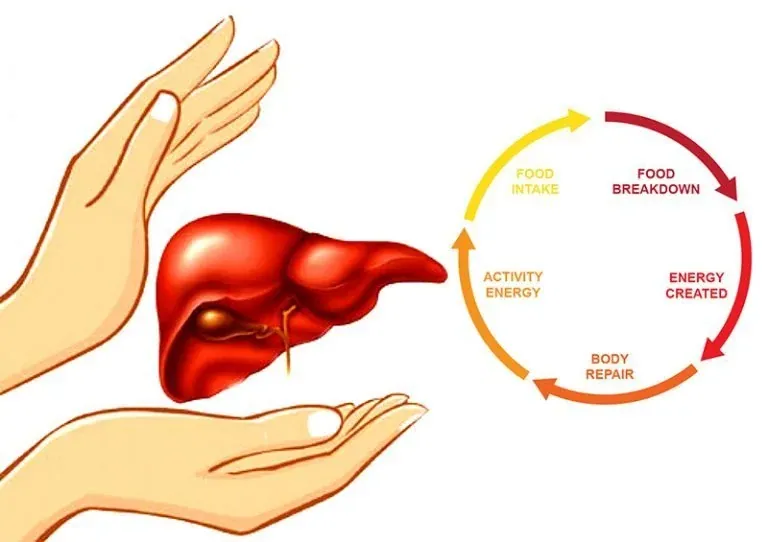
The word metabolism comes from the Greek “μεταβολή” and roughly means “change.”
In the definition of metabolism, “change” refers to the life-sustaining chemical transformations that take place in the cells of all living organisms.
Your body metabolism consists of two parts carefully regulated by the body so they work in harmony:
Catabolism: the breakdown of food components into simpler forms used to produce energy and provide basic building blocks for growth and repair.
Anabolism: the repair and rebuilding process; anabolism requires energy from the food and supplements we take.
When these processes slow down, negative outcomes can be felt.
Research suggests that in adults, metabolic rate may be about 5% lower than in younger adults. The exact cause is not fully known, but researchers propose it may be due to the loss of metabolically active organ tissue or a reduced metabolic rate in muscle tissue. The steepest decline is observed in men over 40 and women over 50.
Skin metabolism
When metabolism works efficiently, skin cells communicate well and respond to each other’s signals. Practically, this means your skin’s metabolic rate supports natural shedding, partial repair of UV-related damage, and collagen production. Like everything else, metabolic rate slows down with age.
Smoking, sun exposure, and external stressors such as sugar can also contribute to a decline in skin metabolic rate.
Slower skin metabolism can contribute to fine lines and wrinkles, uneven pigmentation, dryness, and dullness.
To support skin metabolism
We believe a comprehensive skincare protocol supported by the right supplements can be one of the best things you can do for your skin and body.